LVP vs Tile vs Wood-Look: Choosing the Right Floor for a Middle Georgia Home
The right material often comes down to the room and the climate before it ever comes down to style.
August 26, 2026 · 3 min read
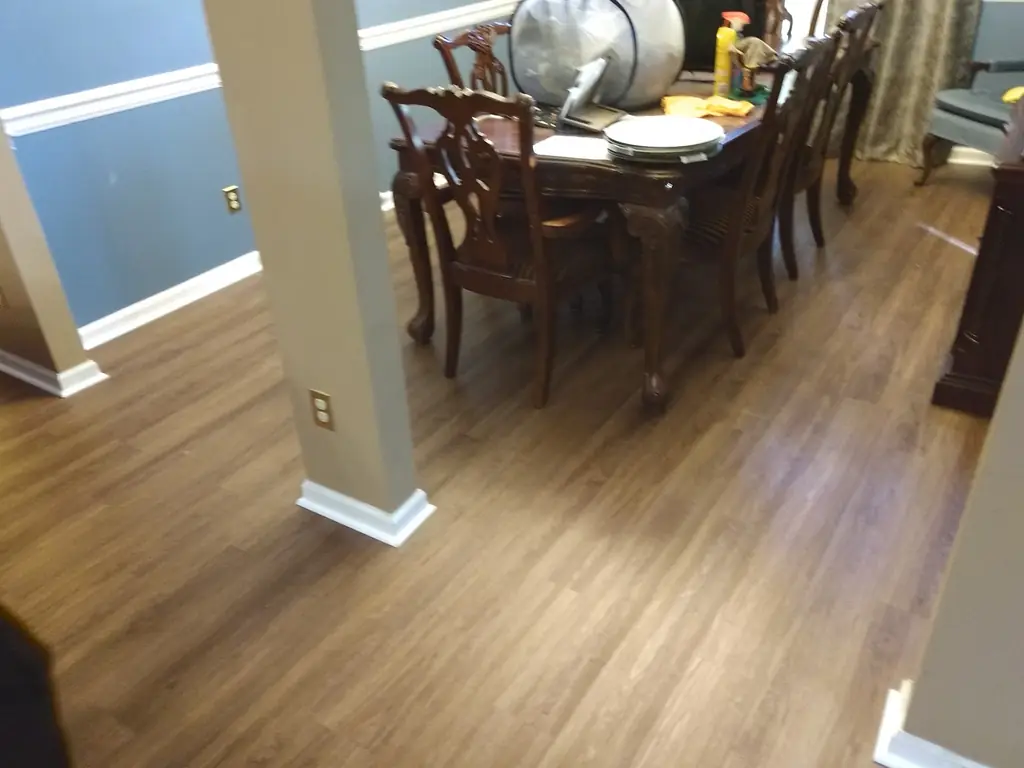
Why the Room Decides Before Style Does
A lot of Middle Georgia houses sit on concrete slab foundations, and summers here run hot and humid for months at a time. Neither of those facts shows up on a sample board, but both of them affect how a flooring material performs once it's down. A floor that looks perfect in a magazine photo can still be the wrong choice for a specific room in a specific house, and picking material by room first, then narrowing to color and finish, avoids most of the regrets homeowners run into a year or two after installation.
Where Tile Still Wins
Bathrooms, laundry rooms and mudrooms are the places where water hits the floor directly and often, and porcelain tile handles that exposure with more confidence than almost anything else on the market. It's genuinely waterproof rather than water resistant, it doesn't scratch the way softer materials do, and it holds up to the kind of scrubbing a bathroom floor eventually needs. Porcelain also comes in almost any look now, including imported options, so a bathroom remodel doesn't have to look clinical to get that level of durability. The tradeoff is that tile is cold and hard underfoot, and that grout lines need periodic sealing to keep performing over time.
Where LVP Wins
Living rooms, bedrooms, hallways and open concept spaces are where luxury vinyl plank tends to make the most sense. A waterproof core handles the occasional spill without drama, it's warmer and quieter underfoot than tile, and a wide plank format reads as a continuous surface across a whole-house layout in a way that's hard to match with any other material at a similar cost. It's also the material most homeowners choose when they're redoing several connected rooms at once, since one product can run from the entryway through the living room and into the hallway without a hard transition at every doorway.
Where Solid or Engineered Wood-Look Still Makes Sense
Wood moves with humidity. Solid hardwood expands and contracts as the seasons swing between a dry winter and a humid Georgia summer, which is why acclimation before installation and stable indoor humidity afterward both matter more with real wood than with almost any other flooring type. Engineered wood, which uses a plywood or composite core under a real wood veneer, holds up better to that seasonal movement and is a common middle ground for homeowners who want the genuine look and feel of wood grain in a formal dining room or a main living space without accepting the full sensitivity of solid hardwood.
The Slab Foundation Factor
A concrete slab holds moisture longer than most people assume, even years after it was poured, and that moisture can affect how well certain flooring adhesives and materials perform over time. It's one of the reasons a moisture check before installation matters on a slab home, and it's also part of why some materials, like a rigid core LVP with a proper vapor rated backing, tend to be a safer default over a slab than a solid wood floor glued directly down.
Handling the Transition Where Materials Meet
The moment a project uses more than one material, there's a doorway or opening somewhere that has to handle the change gracefully. Tile is almost always thicker than LVP once mortar and backer board are factored in, so a transition strip or a reducer at that threshold isn't just cosmetic, it prevents a lip that catches a toe or a mop. Planning those transition points during the quote, rather than discovering them once both floors are already down, is what keeps a multi-material project from ending up with an awkward step between the kitchen tile and the hallway LVP.
Let the Room List Decide
Most whole-house projects end up using more than one material once the room-by-room decisions get made honestly. Superior Flooring Solutions helps customers work through that room list in the showroom, matching material to bathroom, kitchen, living space and bedrooms rather than picking one product and forcing it everywhere. If you're planning a multi-room project and aren't sure where tile should stop and LVP should start, bring your floor plan by 585 Carl Vinson Pkwy, Suite 800, or call (478) 449-4220 during showroom hours, Monday through Friday, 9 a.m. to 5:30 p.m.
Superior Flooring Solutions, (478) 449-4220
Call (478) 449-4220More articles
What the Wear Layer on Luxury Vinyl Plank Actually Means
The number printed in small type on the box tells you more about how long a floor will look good than the color ever will.
What Happens on Flooring Install Day, and What to Move Beforehand
Knowing what the crew needs from you before they arrive is the easiest way to keep the day moving.